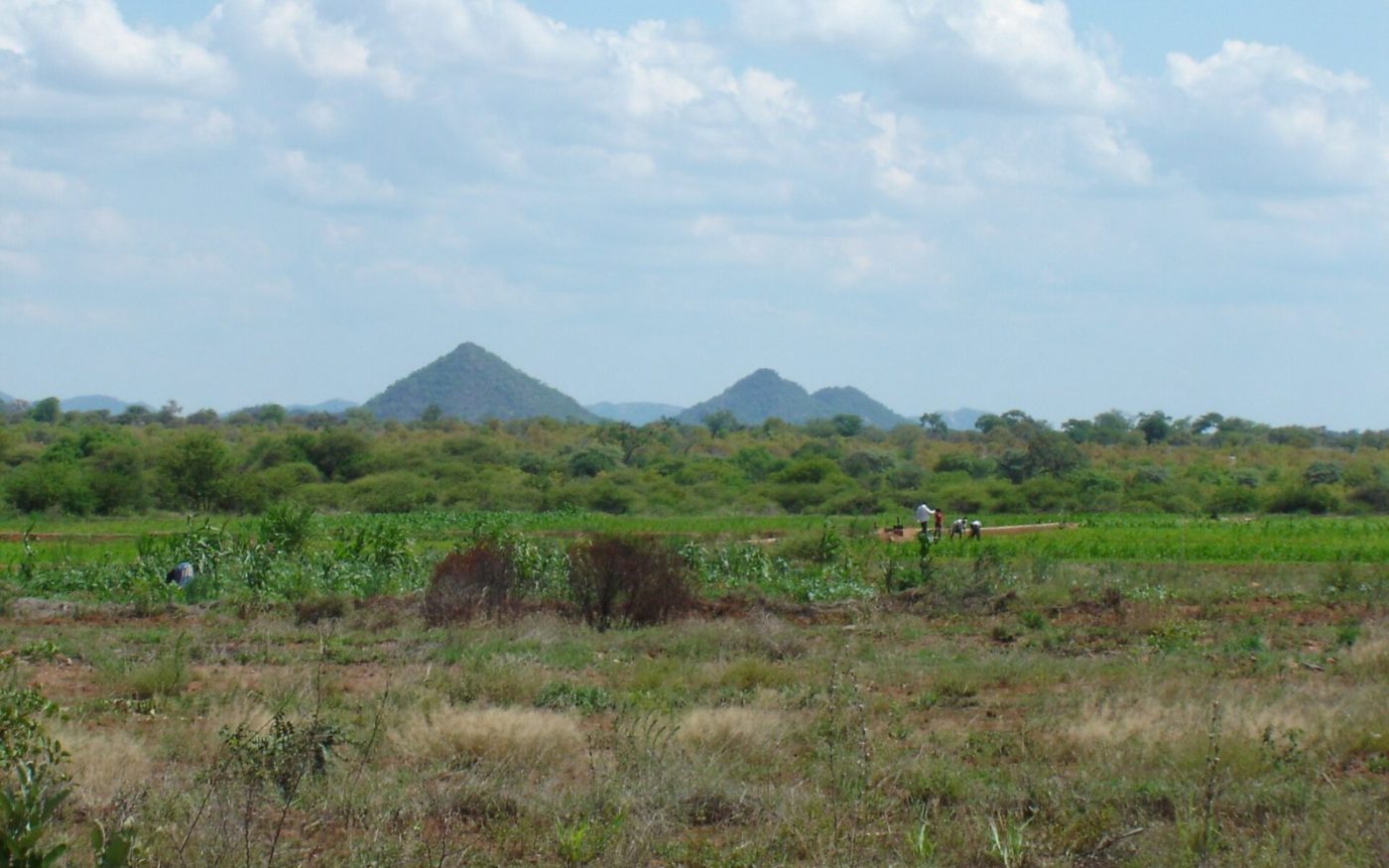
On 14 October 2026, Zimbabwe’s government announced plans for a US$500 million buffer of cash and grain. The money is meant to protect food supplies from a drought that forecasters expect the strengthening El Niño to bring to southern Africa in the 2026–27 rainy season. Finance ministry officials, including Finance Minister Mthuli Ncube, also said the 2027 maize harvest could fall by close to 30%.
What happened
Reuters reported that Ncube outlined the plan at a briefing. The state-owned Herald said finance ministry permanent secretary George Guvamatanga presented the details at an online press briefing held alongside the IMF and World Bank annual meetings. The reserve has two parts:
- US$250 million in cash to pay for emergency measures if the rains fail.
- US$250 million in grain, including maize, small grains and wheat, to be bought mainly from local farmers.
Officials said the money would be set aside in the 2027 national budget, which is due to be presented next month. Government estimates cited by Reuters put the 2027 maize harvest at about 1.6 million tonnes, nearly 30% below 2026. National demand is about 2.2 million tonnes a year, including some 400,000 tonnes for livestock feed. The state says it has already bought about 200,000 tonnes of maize for its strategic grain reserve. It has also cut its 2027 economic growth forecast to 3.5% from 5%, citing the expected impact on agriculture.
Guvamatanga told reporters, according to the Herald: “We’re buying maize from local farmers, which is actually our preference, rather than importation.”
Background: forecasters point to a dry season
Seasonal outlooks for the region have been grim for months. The Southern African Regional Climate Outlook Forum (SARCOF-33), convened by the Southern African Development Community in late August, forecast mostly below-normal rainfall across much of southern Africa for October 2026 to March 2027, with temperatures above average. A separate outlook for the South-West Indian Ocean, published by the WMO on 1 October, warned that South Africa, southern and central Mozambique, Malawi and south-western Madagascar face a higher risk of drought. It also forecast wetter conditions and a higher flood risk farther north, including in Tanzania.
The driver is an El Niño that may break records. On 8 October the WMO said sea surface temperatures in the central and eastern Pacific were forecast to reach record levels from October to December. It expects the event to peak around December and puts the chance that it lasts through February 2027 at nearly 100%. Down To Earth reported that Zimbabwe’s Meteorological Services Department gives an 88–94% chance of a “super” El Niño developing this rainy season.
In southern Africa, El Niño is strongly linked to drought. The 2023–24 event caused one of the worst dry spells in decades across the region. In 2024 Zimbabwe declared a national disaster, and millions of people needed food aid.
Key facts
- Announced: 14 October 2026, by Zimbabwe’s Ministry of Finance and Economic Development.
- Reserve: US$500 million, split equally between cash and grain, funded through the 2027 budget.
- Harvest outlook: about 1.6 million tonnes of maize in 2027, nearly 30% below 2026, against demand of about 2.2 million tonnes.
- Existing stocks: about 200,000 tonnes of maize already in the strategic grain reserve.
- Wider plan: a six-pillar drought-preparedness plan approved by Cabinet on 16 September, covering grain reserves, climate-smart farming, finance, livestock protection, imports and early warning (Down To Earth).
- Livestock risk: the agriculture ministry estimates 2.23 million cattle could be at risk in the 2027–28 lean season (Down To Earth).
Analysis: what it means
The announcement shows a shift towards what humanitarian agencies call anticipatory action: setting aside money and food before a forecast shock, not appealing for aid after crops have failed. In 2024 Zimbabwe declared a disaster only once the damage was already clear. This time it is building reserves months ahead of the expected lean season. If it works, this approach can lower the cost of a response and limit distress sales of livestock and other assets by rural households.
Two questions remain. The first is money. The budget has yet to be presented, and Zimbabwe’s public finances are tight, so the reserve depends on resources actually being released in time. The second is the market. A shortfall of about 600,000 tonnes against annual demand would probably mean imports. Zambia, Malawi and other neighbours face similar forecasts, so several countries could be competing for regional maize at once, which would push up prices.
The plan also highlights adaptation finance, a theme that will feature at COP31 in Antalya. Southern African governments have long argued that climate-driven droughts strain budgets that are already small. Zimbabwe’s decision to fund its buffer largely from its own budget will be watched as an example, and as a test of how far domestic resources can go without outside support.
Sources
- Reuters via BusinessDay — Zimbabwe plans $500m cash and grain reserve to offset El Niño
- The Herald (Zimbabwe) — US$500 million El Niño protection fund unveiled
- Down To Earth — Zimbabwe plans for drought as super El Niño threatens 2026-27 rainy season
- World Meteorological Organization — Sea-surface temperatures reflect strengthening El Niño
- World Meteorological Organization — El Niño will unleash multiple hazards in South-West Indian Ocean region
- SADC — SARCOF-33 press release (27 August 2026)