UK consumer price inflation rose to 3.5% in the 12 months to September 2026, up from 3.1% in August, the Office for National Statistics (ONS) reported on 21 October 2026. The increase, driven mainly by a jump in petrol and diesel prices, was slightly above economists’ expectations and lands two weeks before the Bank of England’s next interest rate decision.
What happened
According to the ONS, the Consumer Prices Index (CPI) rose 0.4% between August and September, compared with little change in the same month a year earlier. That left the annual rate well above the Bank of England’s 2% target. The broader CPIH measure, which includes owner occupiers’ housing costs, rose to 3.6% from 3.3%.
The ONS said transport, particularly motor fuels, made the largest upward contribution to the change in the annual rate. Restaurants and hotels provided the largest partially offsetting downward effect.
Economists had expected a reading of 3.4%, according to Retail Gazette, which also reported that food inflation held at 1.3%.
Key figures
- CPI annual rate: 3.5% in September, up from 3.1% in August
- CPIH annual rate: 3.6%, up from 3.3%
- Core CPI (excluding energy, food, alcohol and tobacco): 2.8%, up from 2.6%
- CPI services: 3.7%, up from 3.4%
- CPI goods: 3.2%, up from 2.7%
- Monthly CPI change: +0.4%
- Average petrol price: 169.5p per litre, up 8.2p on the month and the highest since August 2022
- Average diesel price: 192.5p per litre, up 10.7p and the highest since July 2022
- Motor fuel prices over 12 months: up 29.8%, from 23.0% in August
The fuel effect
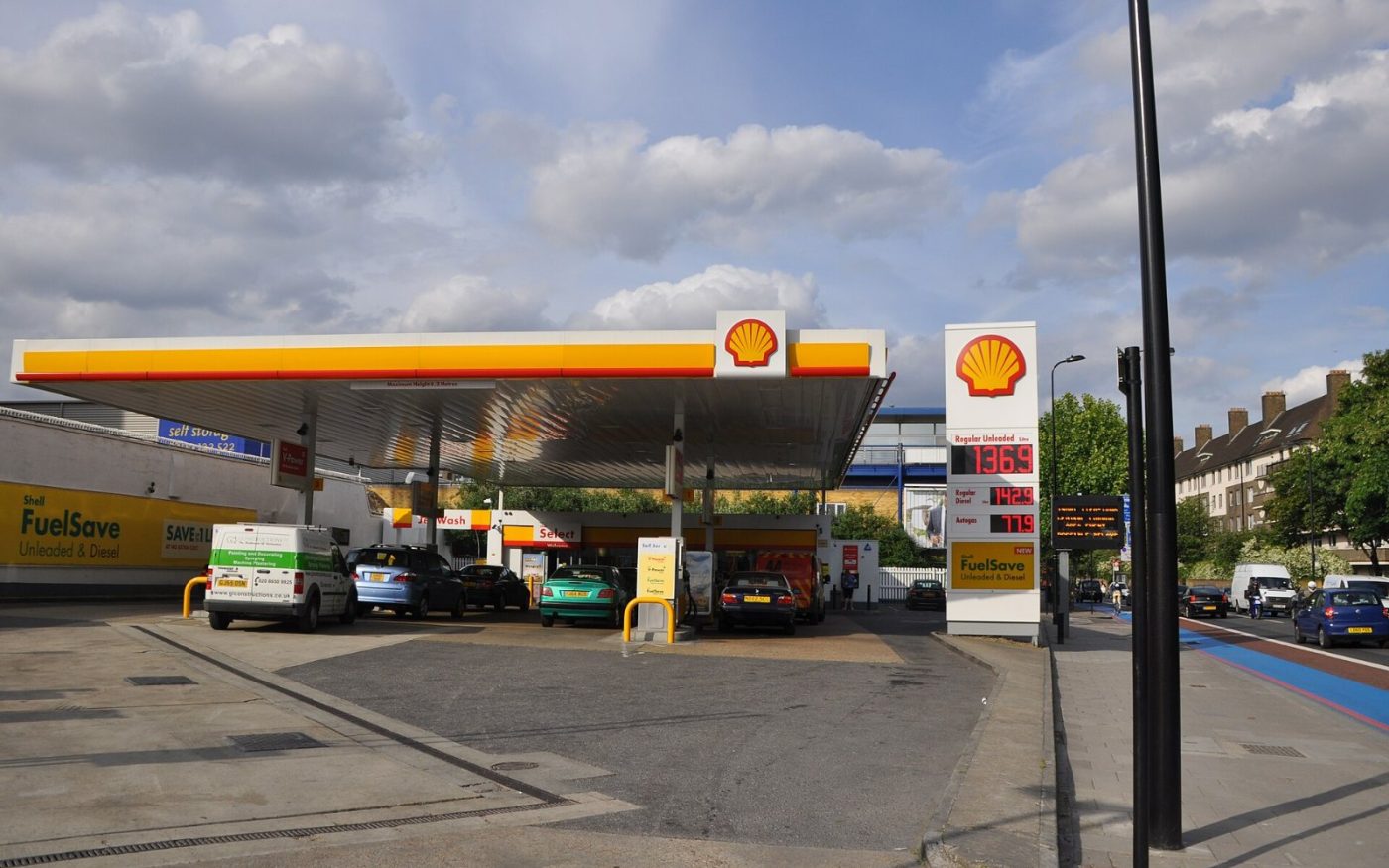
The single biggest story in the data is at the pump. The ONS figures show average petrol prices climbing 8.2 pence a litre in one month and diesel rising 10.7 pence, taking both to levels last seen in the summer of 2022, when energy prices spiked after Russia’s full-scale invasion of Ukraine. Over a year, motor fuel prices are up almost 30%.
Retail Gazette linked the rise in fuel prices to the ongoing conflict in the Middle East, and reported that diesel topped £2 a litre in October, which suggests pressure from fuel has not yet peaked. Higher fuel costs also feed into the price of goods through transport and distribution, which helps explain the half-point rise in goods inflation.
Background
The Bank of England held Bank Rate at 3.75% at its most recent meeting on 17 September 2026, its sixth consecutive hold, but the vote was split 6–3, with three members of the Monetary Policy Committee favouring an increase to 4%, according to Investment Week. The Bank’s next decision is due on 5 November.
The figures also arrive shortly before Chancellor John Healey’s Budget on 28 October, adding to pressure on the government over the cost of living, as Retail Gazette noted. The next ONS inflation release, covering October, is scheduled for 18 November.
Analysis: what it means
The September figures make the Bank of England’s November meeting considerably harder to call as a hold. With three policymakers already voting for a hike in September, a further rise in headline inflation, together with increases in core and services inflation, gives that camp more evidence. Rate-setters typically try to look through one-off energy shocks, but they become less willing to do so when underlying measures also move higher, as they did in September.
The rise in services inflation to 3.7% matters because services prices are closely tied to domestic wages and are seen as a better guide to persistent inflation than volatile fuel or food prices. Core inflation at 2.8% remains closer to target than the headline rate, which leaves some room for the argument that the shock is primarily external.
The outlook depends heavily on energy markets. Economists cited by Retail Gazette warned that inflation could rise above 4% in early 2027 as higher energy and transport costs pass through to consumer prices, and that an increase in household energy bills due in January could deepen the squeeze. For households, the combination of rising prices and the possibility of higher borrowing costs would put further strain on budgets that had only recently begun to recover from the 2022–23 inflation surge.
For the Treasury, higher inflation complicates Budget arithmetic: it raises the cost of inflation-linked benefits and index-linked debt, even as it can boost some tax receipts. How the Chancellor responds to fuel prices in particular will be watched closely on 28 October.