South Korea on Friday, October 23, 2026, formally proposed military talks with North Korea aimed at jointly confirming where the land border between the two countries actually runs, reviving long-severed military communication lines and agreeing steps to avoid accidental clashes. The offer, announced in Seoul by the Ministry of National Defense, comes a month after a landmine blast inside the Demilitarized Zone (DMZ) wounded three South Korean soldiers and amid a steady build-up of fortifications on the northern side of the frontier.
What happened
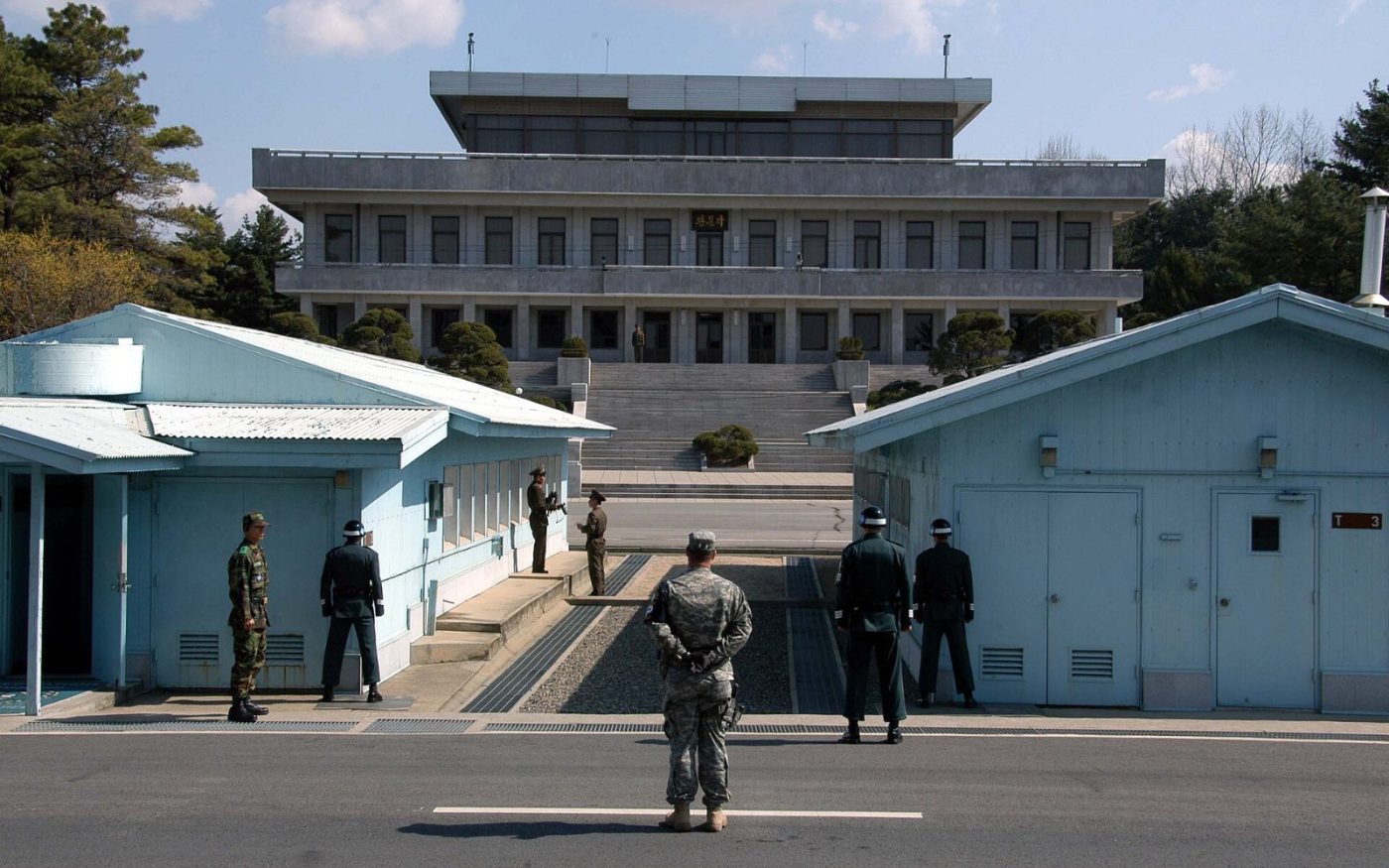
Deputy Defense Minister for Policy Kim Hong-cheol told a press briefing that Seoul wanted the two militaries to verify together the position of the land-based Military Demarcation Line (MDL), restore military hotlines and discuss ways to prevent unintended confrontations in border areas, according to The Korea Herald and Al Jazeera, which cited AFP and AP. No date or venue was set; Kim said those details could be arranged through the truce village of Panmunjom.
Seoul also said it was open to a three-way format that would include the US-led United Nations Command (UNC), which administers the armistice. A defence ministry official told reporters the UNC had been notified before the announcement. The UNC, for its part, said it remained committed to the armistice and to reducing the risk of miscalculation along the MDL, but declined to say whether Pyongyang had received the offer, citing its policy of not disclosing communications with the North (Korea Herald).
The ministry warned that it was difficult to predict what further incidents might follow if the situation were left unaddressed. There was no immediate response from Pyongyang.
Background
The immediate trigger is a mine explosion on September 21, 2026, that injured three South Korean troops who were clearing a path inside the DMZ for a joint inspection with the UNC of North Korean border-hardening work. South Korea’s military concluded that the mines were North Korean and had been planted south of the demarcation line; Pyongyang denied responsibility and rejected Seoul’s demands for an apology and for the removal of remaining mines (AP via ABC News).
The incident sits within a longer pattern. Since Kim Jong Un declared South Korea a “hostile state”, North Korean troops have been building fences, anti-tank barriers and tactical roads and laying mines along the border. According to AP, North Korean soldiers have crossed the MDL around 50 times this year during that work, prompting South Korean warning broadcasts and warning shots. South Korean lawmakers have cited a military estimate that the North has laid some 960,000 mines along the line since 2024 (Korea Herald).
Days before Seoul’s proposal, Kim Yo Jong, the North Korean leader’s sister, visited front-line areas and said the North would switch on border loudspeakers for propaganda broadcasts and had put unspecified “new counter means” on alert, while blaming the South’s warning shots for rising tension. Senior official Pak Jong Chon, who accompanied her, denied that North Korean troops were breaching the line (AP via ABC News). Kim Yo Jong has also dismissed President Lee Jae Myung’s calls for dialogue (Al Jazeera).
This is not Seoul’s first attempt. A similar proposal for military talks made in November 2025 went unanswered.
Key facts
- Date of proposal: October 23, 2026, announced by Deputy Defense Minister Kim Hong-cheol.
- Agenda: joint verification of the land MDL, restoration of military communication lines, measures to prevent accidental clashes.
- Format: bilateral, or trilateral with the UN Command; logistics to be arranged via Panmunjom.
- Trigger: September 21 mine blast in the western DMZ that wounded three South Korean soldiers.
- The map problem: of 1,292 marker posts installed after the 1953 armistice, only about 200 are still identifiable, and South Korea, the UNC and North Korea are reported to use different reference coordinates for the line.
- Only working channel: the UNC’s “pink phone” link with the Korean People’s Army.
Analysis: what it means
The proposal is narrow by design. Rather than reopening broad inter-Korean diplomacy, which Pyongyang has repeatedly rebuffed, Seoul is focusing on a technical problem that both militaries arguably share: nobody fully agrees where the line on the ground is. With most of the original markers gone and at least three competing sets of coordinates in use, routine North Korean construction work can look like an incursion to South Korean sentries, and South Korean warning shots can look like aggression to the North. That ambiguity is precisely what makes small incidents dangerous.
Including the UN Command gives the offer an institutional anchor, since the UNC has legal responsibility for managing the demarcation line under the armistice and has itself said the baseline needs clarifying. It also gives Pyongyang, which prefers to deal with Washington rather than Seoul, a possible face-saving format.
Still, the odds of a quick acceptance look slim. North Korea ignored a similar offer last year, its current posture treats the South as a separate, hostile state, and its latest statements point toward escalation rather than talks. The more likely near-term test is whether both sides can avoid another casualty incident while the fortification work continues. If Pyongyang stays silent, Seoul will have at least put on record that it sought a mechanism to prevent clashes, which may matter for how any future incident is judged internationally.